
Cognitive behavioral therapy in autism: how it helps manage anxiety and emotions
Cognitive behavioral therapy in autism: how it helps reduce anxiety, improve emotional regulation, and strengthen confidence in social situations in adolescents and adults with ASD.
2/4/20261 min read
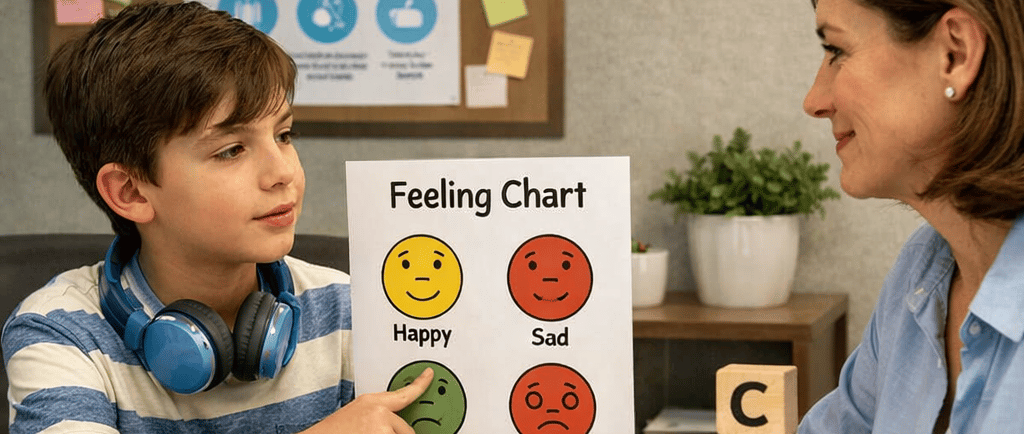
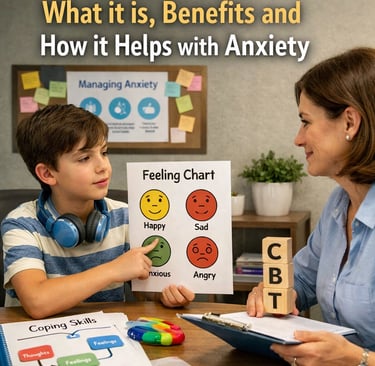
How does cognitive-behavioral therapy help people with autism?
Autism-adapted cognitive behavioral therapy (CBT) helps adolescents and adults manage anxiety, regulate intense emotions, and cope with social situations with greater confidence. It uses structured strategies, clear language, and practical tools to improve emotional well-being and foster greater independence in daily life.
What does cognitive behavioral therapy (CBT) address in individuals with ASD?
Identifying and understanding emotions
Techniques for managing stress and anxiety
Strategies for coping with challenging social situations
Developing more flexible thinking skills
Practical plans for solving everyday problems
Why is psychological support important for autism?
People with autism spectrum disorder (ASD) may experience intense emotions without always having the tools to understand or regulate them. Specialized psychological support helps them recognize signs of anxiety, anticipate difficult situations, and respond more calmly and confidently, reducing emotional crises and improving daily functioning.
Benefits of Cognitive Behavioral Therapy for Autism
Reduces anxiety symptoms
Improves emotional regulation
Increases confidence in social situations
Reduces stress-related behaviors
Promotes greater personal independence
These improvements do not change a person's identity, but they can significantly improve their well-being.
Does cognitive behavioral therapy cure autism?
No. Cognitive behavioral therapy does not cure autism. Its goal is to help individuals understand and manage their emotions, reduce anxiety, and cope with social situations more confidently. It is a support tool to improve quality of life, not to change who the person is.
Who can benefit from this therapy?
CBT can be adapted for older children, adolescents, and adults on the autism spectrum, especially when they experience anxiety, rigid thinking, social difficulties, or problems regulating emotions. It should always be administered by professionals with experience in autism.
Cognitive behavioral therapy for people with autism helps reduce anxiety, improve emotional regulation, and foster greater confidence in social situations. It is an evidence-based psychological support that promotes autonomy, well-being, and practical tools for daily life.
Explore
Join us in the adventure of parenting.
Resources
Support
2021 © 2025. All rights reserved.