
How to Potty Train a Child with Autism: A Real, Step-by-Step Guide for Parents
Does your child with autism refuse to use the toilet or stop wearing diapers? Discover real and respectful strategies to teach toilet training step by step.
6/5/20262 min read

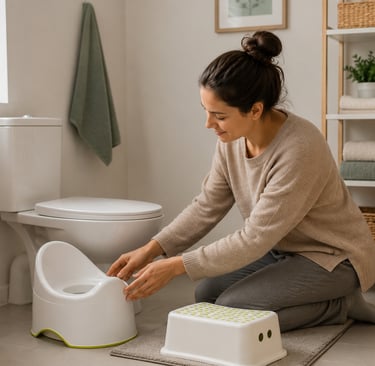
Many parents of children with autism experience this concern:
“My child should be potty trained by now, but they just can’t seem to get there.”
And with that come difficult questions:
👉 “Am I doing something wrong?”
👉 “Will they never learn?”
👉 “How can I help them without arguing?”
First, something important:
💙 You are not alone.
Many children with autism need more time to learn to use the toilet.
And this is important to say clearly:
👉 There is no exact age for everyone.
Each child progresses at their own pace.
The good news:
💡 With patience, structure, and the right strategies, many children make real progress.
🧠 Why might it be more difficult for children with autism to learn to use the toilet?
There can be several factors involved.
🚨 Sensory Sensitivity
Some children feel uncomfortable with:
the sound of the toilet
the texture of the seat
toilet paper
changing clothes
What seems small to an adult…
can feel very intense to them.
🗣️ Difficulty Communicating Needs
Some children struggle to say:
👉 “I need to go to the bathroom.”
Or they don't easily identify their body's signals.
🔄 Attachment to Routines
Diapers can feel familiar and safe.
Changing diapers can cause anxiety.
⏰ Slower Habit Processing
Sometimes they need:
✔ more repetition
✔ more time
✔ more consistency
And that's okay.
🚽 1. Look for Signs of Readiness
Before you start, observe if there are any signs that the child is ready.
Examples:
✔ Stays dry for longer
✔ Shows discomfort with a soiled diaper
✔ Shows interest in using the toilet
✔ Imitates others
👉 Not all babies show the same signs.
🕒 2. Create predictable schedules
Many children with autism respond better to routines.
Instead of waiting for them to tell you…
try taking them to the bathroom at consistent times.
Example:
upon waking
after eating
before bed
Predictability often helps a lot.
🖼️ 3. Use visual aids
Many children learn best by seeing.
You can use simple images:
pulling down pants
sitting down
wiping
washing hands
👉 This reduces anxiety.
💙 4. Celebrate small steps
Progress doesn't always happen quickly.
Examples of real progress:
✔ going into the bathroom without fear
✔ sitting for a few minutes
✔ letting you know afterward
✔ tolerating change
Every little helps.
🚫 5. Avoid punishment or pressure
This point is key.
Avoid phrases like:
❌ “You’re too old for that.”
❌ “Your brother already learned.”
❌ “Why can’t you do it?”
Pressure usually increases resistance.
👂 6. Observe body patterns
Many parents discover common schedules.
Example:
👉 after breakfast
👉 after milk or water
Observing helps a lot.
🚽 7. Make the bathroom more comfortable
Important question:
Is there anything that bothers them?
The following can help:
✔ toilet seat adapter
✔ footstool
✔ noise reduction
✔ easy-to-remove clothing
😟 What if there are setbacks?
This is more common than it seems.
It can happen due to:
stress
changes in routine
illness
a new school
👉 A setback doesn't mean failure.
🚨 When to seek professional help
Consult a professional if:
there is extreme fear of the toilet
frequent constipation
pain during bowel movements
persistent stress
A pediatrician or occupational therapist can provide guidance.
❌ Common Mistakes
comparing to other children
removing diapers too quickly
pressuring too much
expecting immediate results
punishing accidents
CONCLUSION
Learning to use the toilet can take longer for some children with autism…
and that doesn't mean they can't succeed.
💙 With patience, structure, and support, many children make progress little by little.
Sometimes the biggest achievements begin with small steps.
And every step counts.
Explore
Join us in the adventure of parenting.
Resources
Support
2021 © 2025. All rights reserved.